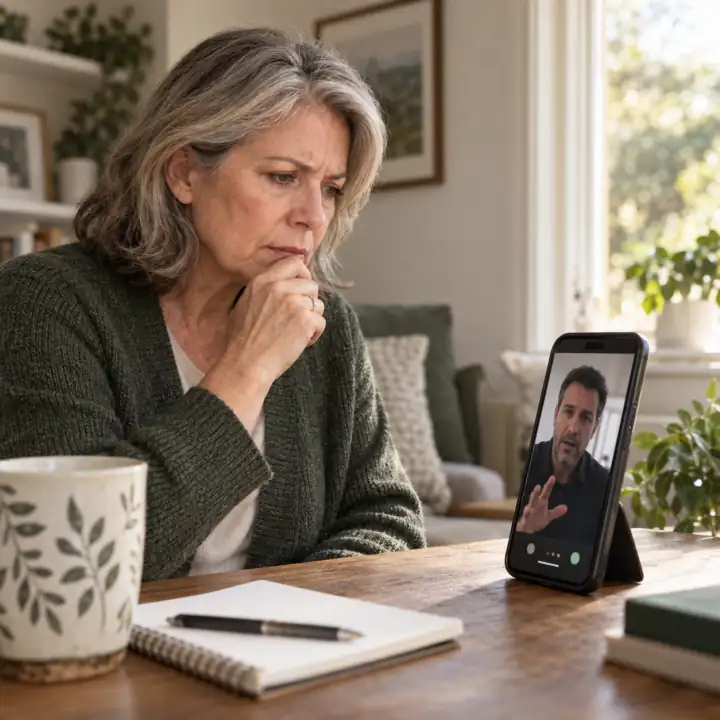
Practice before the pressure is real
Train with realistic images, messages, voice recordings and videos. Work through interactive scenarios and role plays to learn what to notice and how to respond.

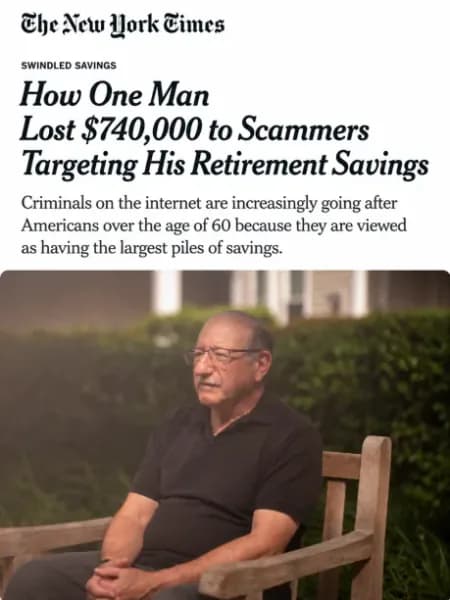



BeatScammers.com is a fraud intelligence organization created by an independent team of leading cybersecurity and AI specialists in response to the growing threat of AI scams. Our team uses hundreds of advanced detection systems to track emerging scams.
We turn that intelligence into clear lessons and a continuously updated training library to help you recognize new tactics, practice your response, and protect yourself and your family.
Train with realistic images, messages, voice recordings and videos. Work through interactive scenarios and role plays to learn what to notice and how to respond.
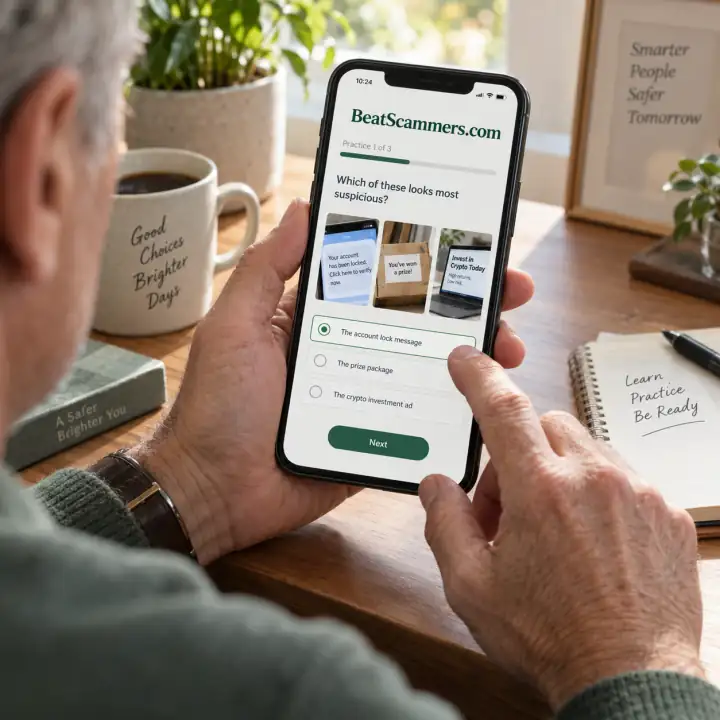
Explore new lessons, real scam stories and fresh challenges as our team uncovers emerging techniques. Keep building your skills as scammers change their approach.

A fake government investigation can recruit the person it claims to protect. The FTC's clear rule cuts through the story: no real agency asks you to move money to protect it.
Read the story
A made-up purchase can lead to a fake support desk, remote access, and pressure to move money. Learn where to break that chain before a stranger gains control.
Read the story
The FTC's upper estimate for fraud losses among older adults is not a count of filed complaints. Understanding how it was built makes the headline clearer and the problem harder to dismiss.
Read the story
A news report describes a 76-year-old man who lost $1.6 million after a random text led into an investment scam. The safest check is about the offer and platform, not the technology word in its pitch.
Read the story
In an online romance scam, apparent friends and family may exist only inside the same private story. Learn how to check a connection without blaming yourself for trusting someone.
Read the story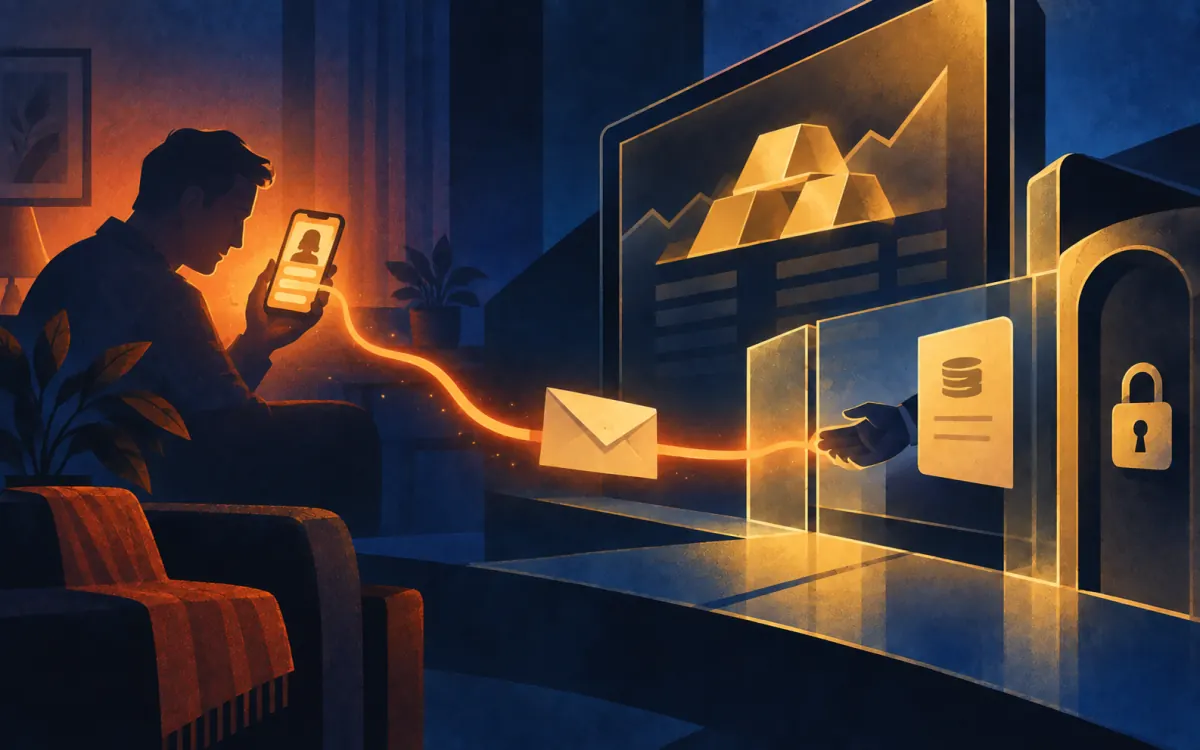
A relationship can become the bridge to a counterfeit investment site. A fake balance and a last-minute withdrawal fee are reasons to stop and verify, not to send more.
Read the story